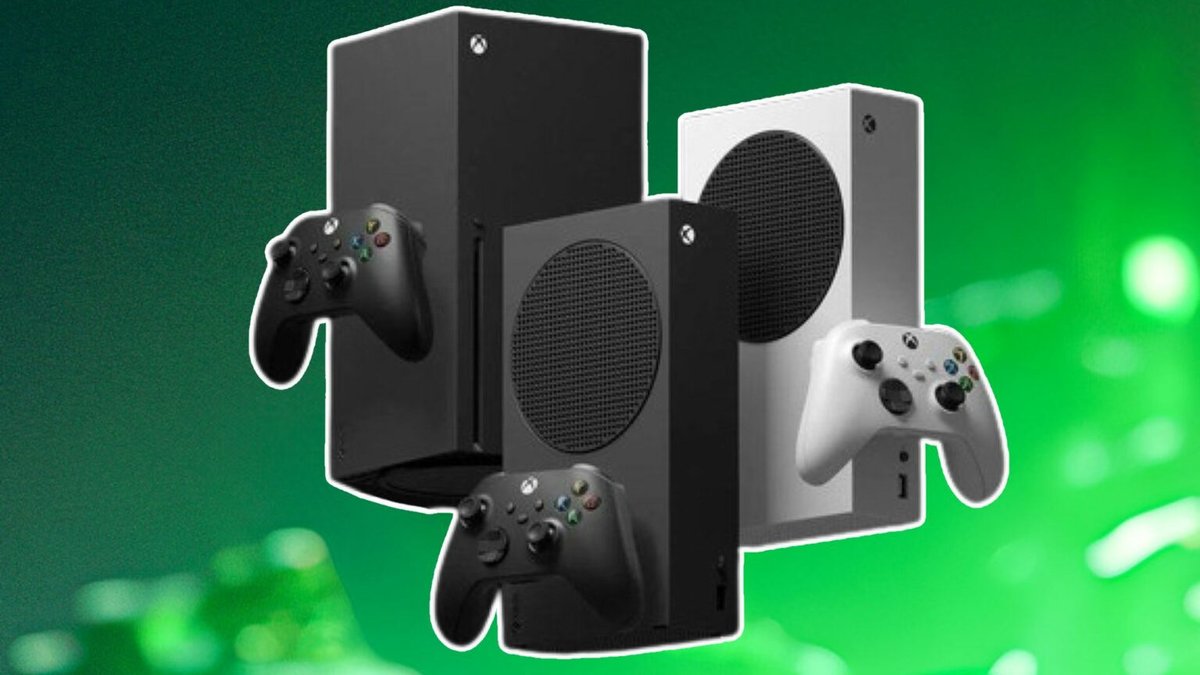
The console wars you thought you knew? They're rapidly evolving, if not outright ending, with the advent of the Next-Gen Xbox vs. Competitors landscape. Microsoft isn't just making another console; they're fundamentally rethinking what a gaming platform means, shifting away from direct head-to-head battles with PlayStation and Nintendo towards a broader, more ambitious vision where the competition looks less like a rival box and more like, well, everything else vying for your attention. This isn't just about faster processing or better graphics anymore; it's about ecosystem, accessibility, and a future where your gaming library is truly yours, wherever you decide to play.
At a Glance: What to Expect from the Next-Gen Xbox
- A "Premium" & "Powerful" Machine: Xbox leadership confirms a high-end hardware experience, prioritizing performance for dedicated gamers.
- PC/Console Hybrid: Expect a device that blurs lines, offering access to both Xbox's ecosystem (including Game Pass) and potentially platforms like Steam.
- Hefty Price Tag: Rumors suggest a cost nearing or exceeding $1,000, aligning it with high-end gaming PCs or powerful handhelds like the ROG Ally X.
- Delayed Launch: Don't hold your breath; 2027 is a hopeful rumor, with 2028 seen as more realistic.
- A New Definition of "Competition": Xbox is looking beyond PlayStation, seeing social platforms like TikTok as its primary rivals for user engagement.
- Ecosystem Flexibility: Your existing Xbox library will move with you, and more first-party Xbox titles are heading to other platforms, including PlayStation.
Beyond the Box Score: Why Xbox is Redefining "Winning"
For decades, the gaming world operated on a simple premise: PlayStation vs. Xbox. Each generation brought a fresh round of feature comparisons, exclusive title boasts, and passionate fan debates. But Xbox President Sarah Bond and CEO Satya Nadella have made it abundantly clear: that era is over. When Bond states that hardware is crucial for "most valuable players" and their "hardware experience," enabling users to "take their library with them," she's not just talking about a faster box. She's articulating a philosophy that places player agency and content accessibility at its core.
Nadella echoed this, questioning the conventional wisdom that consoles were simply "a better PC for gaming." Instead, he asserts that consoles deliver "unparalleled performance"—a bold claim that points to a dedicated, optimized gaming experience that even high-end PCs might struggle to match dollar-for-dollar. This isn't about out-selling a PlayStation 6; it's about carving out a unique space in the broader entertainment landscape, where the real battle is for your time, not just your console purchase. The competition, as Xbox sees it, isn't PlayStation's next big exclusive, but the endless scroll of TikTok. This pivot fundamentally shifts how we should evaluate the future of Xbox's hardware strategy.
The Hybrid Future: A Console in PC Clothing?
One of the most intriguing aspects of the next-gen Xbox vision is its rumored identity as a PC/console hybrid. Imagine a device that combines the streamlined user experience of a console with the open ecosystem of a PC. This isn't entirely new territory—Valve explored it with the Steam Machine, albeit with limited success years ago. However, Xbox has the ecosystem, developer relationships, and financial might to potentially pull it off where others faltered.
The promise here is monumental: a single device that could offer access to the expansive libraries of both Steam and Xbox Game Pass. This means not only your familiar Xbox first-party titles and Game Pass offerings but also the vast catalog of PC games available on Steam, all without needing a separate gaming PC. Such a machine would empower players to truly "take their library with them," as Sarah Bond emphasized. It's about breaking down the walled gardens of gaming, offering unparalleled choice and flexibility. For many, this could be the ultimate gaming hub, a powerful, optimized device that bridges the best of both worlds. Diving deeper into this concept reveals why the upcoming console is generating such buzz.
What a Hybrid Means for You:
- Unrivaled Game Access: Play virtually anything from the Xbox ecosystem or Steam, removing many platform limitations.
- Simplified Setup: Get PC-level performance without the complexities of building or maintaining a gaming PC.
- Cost Efficiency (Long Term): While the initial price might be high, avoiding both a console and a gaming PC could save money.
Performance Prowess: Unpacking the "Unparalleled" Promise
When Satya Nadella talks about "unparalleled performance" from a console, it’s a direct challenge to the perception that PCs will always reign supreme in raw power. While a top-tier custom gaming PC can indeed outperform any console, it comes at a significantly higher price and often with more complexity. What Nadella is likely implying is that the next-gen Xbox will offer an incredibly optimized, high-fidelity gaming experience for its price point, delivering raw horsepower and efficiency that’s difficult to achieve elsewhere.
This focus on "premium" and "powerful" hardware isn't just marketing speak; it's a strategic move to cater to the "most valuable players"—those who demand the absolute best visual fidelity, framerates, and loading times. Think of it as a highly tuned sports car versus a custom-built drag racer. The drag racer might win in a straight line, but the sports car offers a more refined, integrated, and accessible high-performance experience. The system is rumored to be more powerful than even Valve's current Steam Deck or a potential next-gen Steam Machine, suggesting it aims for true big-screen 4K gaming rather than portable play. This level of dedication to performance is a core reason why the development is taking its time and costing significantly.
The Price of Power: Expecting a Hefty Tag
Let's address the elephant in the room: the cost. Rumors suggest the next-gen Xbox could carry a "hefty price tag," potentially exceeding the Xbox Series X's £499 / $649 launch price and possibly nearing $1,000. This isn't just a slight increase; it's a significant leap that positions the console in a completely different market segment, akin to high-end gaming laptops or powerful handhelds like the ROG Ally X.
Why such a price? If Xbox is truly delivering a PC/console hybrid with "unparalleled performance" that can tap into Steam and Xbox Game Pass, it needs top-tier components. Powerful CPUs, cutting-edge GPUs, fast SSDs, and advanced cooling systems don't come cheap. This isn't a console built for mass-market affordability; it's designed for a premium experience, targeting those who prioritize performance and flexibility above all else.
Understanding the Investment:
- Value Proposition: Is a $1,000 console "worth it"? For dedicated gamers seeking a streamlined, powerful, all-in-one solution that covers both console and PC ecosystems, it very well might be.
- Steam Machine Comparison: The current Steam Deck and rumored future Steam Machines are anticipated to be more affordable, but also likely less powerful, focusing on portable or lower-fidelity experiences. The next-gen Xbox aims for the high-end.
- Not for Everyone: This price point immediately segments the market. Casual gamers or those on a tighter budget might find the cost prohibitive, pushing them towards more affordable alternatives or even cloud gaming.
A Broader Playing Field: First-Party Goes Multi-Platform
Perhaps the most significant strategic shift from Xbox is its willingness to make its first-party titles available on competitor platforms. This isn't going "full third-party" by any means, but it's a clear signal that Xbox's ultimate goal isn't necessarily to sell you only an Xbox console, but rather to get you invested in its ecosystem—Game Pass, its services, and its intellectual property—regardless of the hardware you own.
The mention of Halo: Campaign Evolved as an example for PlayStation users is particularly telling. Halo has long been synonymous with Xbox. Bringing a core piece of that legacy to PlayStation not only expands its reach but also demonstrates a new philosophy: the game experience is paramount, not the exclusivity of the box it runs on. This strategy aims to grow the Xbox brand and Game Pass subscriber base by meeting players where they already are.
Even more intriguing is the noted possibility of PlayStation games being playable on Xbox hardware via Steam, "pending Sony's approval." While a big "if," this highlights the aspirational breadth of the hybrid vision. If a next-gen Xbox could truly run titles from both Xbox Game Pass and Steam, it would open the door to an unprecedented level of game access, further solidifying its "hub" status. This flexibility underscores why a deeper understanding of the ecosystem is as vital as the hardware itself.
When Can We Plug In? The Launch Window
Hardware development, especially for something as ambitious as a PC/console hybrid with "unparalleled performance," takes time. Rumors currently peg a 2027 launch as optimistic, with 2028 considered a more realistic timeframe. This extended development cycle isn't necessarily a bad thing; it allows for technological advancements to mature, for market research to be thoroughly conducted, and for the software ecosystem to be robustly prepared.
For gamers, this means a significant wait. The current console generation (Xbox Series X/S and PS5) still has plenty of life left, with many major titles yet to be released. This longer lead time also gives developers more room to innovate and potentially harness the full power of the existing consoles before the next wave arrives. It’s a patient strategy, signaling that Xbox is prioritizing a polished, revolutionary product over a rushed release. This patiently developed will be a product of extensive planning and technological integration.
Navigating Your Next-Gen Decision: What Matters Most
With such a seismic shift in strategy, deciding if the next-gen Xbox is right for you becomes less about loyalty and more about aligning with your evolving gaming priorities.
Consider These Points Before Committing:
- Are You a "Most Valuable Player" Seeking Premium Hardware? If you demand the absolute best performance, visual fidelity, and fastest load times, and you're willing to pay a premium for it, this console is being built with you in mind. It's for those who appreciate optimized hardware and a streamlined high-end experience.
- Is Price a Primary Concern? If your budget is tight, a potential $1,000 price tag will be a significant hurdle. Cheaper alternatives, including the Steam Deck, current-gen consoles, or even entry-level gaming PCs, might offer better value for your needs.
- Do You Value Ecosystem Flexibility (Steam + Xbox)? The rumored hybrid nature is a huge draw. If you want access to the best of both Xbox Game Pass and the vast Steam library on a single, powerful device, this console could be a game-changer.
- What About Your Existing Library? Xbox's commitment to letting you "take your library with you" means your existing digital Xbox games will likely transition seamlessly. This offers peace of mind and protects your past investments.
- How Important are "Exclusives" to You on a Single Platform? With Xbox expanding its first-party titles to other platforms, the traditional "killer app" exclusive argument loses some of its punch. If you prioritize playing a game over where you play it, this shift might feel liberating.
- Are You Patient? With a rumored 2027/2028 launch, this isn't a short-term purchase. You'll need to be comfortable waiting and letting the current generation mature further.
Key Questions Answered
Is Xbox going full third-party, like Sega did?
No, not "full third-party" in the traditional sense. Xbox President Sarah Bond explicitly stated this. They are committed to hardware. However, their strategy involves making more first-party titles available on other platforms to expand their reach and Game Pass subscriber base, which is a significant departure from past console war tactics.
Will PlayStation games actually be playable on the new Xbox?
This is a big "maybe." The context research notes the possibility of PlayStation games being playable on Xbox hardware "via Steam," but crucially, this is "pending Sony's approval." Sony would need to allow their PC ports to be distributed and run on an Xbox device through Steam, which is far from guaranteed. It highlights Xbox's ambition for a truly open platform, but the decision rests with Sony.
How will this next-gen strategy impact Xbox Game Pass?
It will likely strengthen it significantly. By offering a premium hardware experience that can access both Xbox games (including Game Pass) and Steam, the next-gen Xbox positions Game Pass as a core service. The strategy of bringing first-party titles to other platforms is also designed to attract more Game Pass subscribers, regardless of the device they play on. The next-gen console itself would simply be the best place to experience Game Pass.
What's the real competition for Xbox now, if not PlayStation?
Xbox leadership clearly identifies platforms like TikTok as its main competition. This means they are competing for user engagement, attention span, and entertainment dollars across a much broader spectrum than just gaming consoles. While PlayStation is still a direct competitor in the gaming space, Xbox's strategic focus is on becoming a pervasive entertainment ecosystem rather than just winning a console sales race.
The Road Ahead: What to Watch For
The next-gen Xbox is shaping up to be far more than just a console upgrade; it's a philosophical statement about the future of gaming. It’s an ambitious play for a hybrid device, premium performance, and an open ecosystem that defies traditional boundaries. For you, the player, this means more choice, more flexibility, and potentially a single device that can cater to almost all your gaming needs—if you're willing to pay the price.
Keep a close eye on official announcements regarding the device's specifications, launch date, and pricing. Pay attention to how the "hybrid" functionality develops, particularly regarding Steam integration and potential cross-platform capabilities. Most importantly, reflect on your own gaming habits: are you a "most valuable player" craving the ultimate performance and flexibility, or do you prioritize affordability and simplicity? Your answers will guide whether this bold new vision for Xbox is the right fit for your future gaming journey.