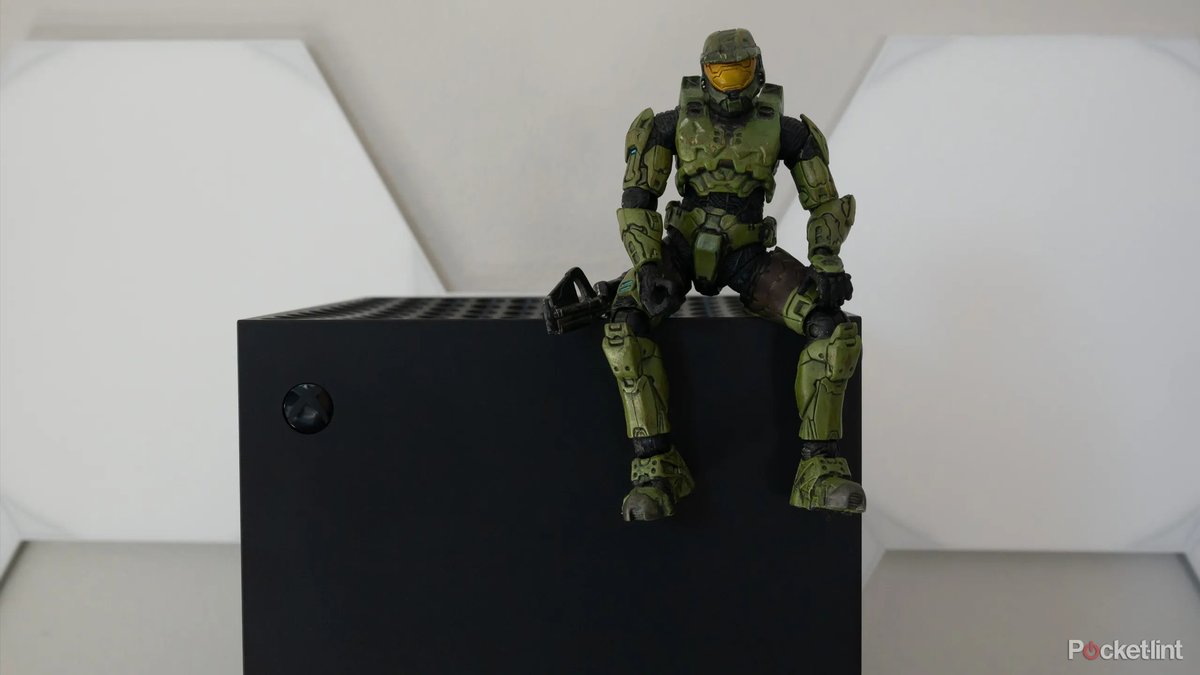
The game is changing. No, not just the games themselves, but the very way you’ll access and experience them. For decades, "Xbox" has meant a powerful black or white box under your TV. But peel back the layers of recent announcements and strategic shifts, and you’ll see that the Future of Xbox Gaming & Innovation is about to redefine that definition entirely. Microsoft isn't just building a new console; they're building an everywhere-you-are gaming platform, breaking free from the shackles of a single device.
Imagine an Xbox experience that’s not tied to a specific store, or even a specific device. That's the bold vision Xbox president Sarah Bond laid out, suggesting a future where “anything” can be an Xbox. This isn't just a marketing slogan; it's the architectural blueprint for the next generation of gaming.
At a Glance: The Xbox Revolution Coming Your Way
- Beyond the Box: Xbox is evolving into a platform that follows you across PCs, mobile, smart TVs, and potentially even new categories of devices.
- Next-Gen Hardware: A new Xbox console is indeed coming, crafted in a multi-year partnership with AMD, focused on versatile silicon for a "portfolio of devices," including handhelds.
- Open Doors: Future Xbox experiences (and potentially consoles) will embrace other PC gaming stores like Steam and Epic, a major shift from traditional walled gardens.
- Cloud is Key: Xbox Cloud Gaming will see significant improvements, making high-quality gaming accessible on more screens than ever.
- Windows' Big Role: Microsoft aims to establish Windows as the "number one platform for gaming," integrating the Xbox experience deeply into the PC ecosystem.
- Your Games Are Safe: Backwards compatibility will remain a core tenet, ensuring your existing library comes with you.
- "Netflix of Gaming": This strategy is designed to expand Xbox's reach, making it a service-first, platform-agnostic powerhouse.
The Great Unshackling: Xbox Beyond the Box
For years, the console wars have been defined by hardware, exclusive titles, and the battle for your living room. Xbox, however, is strategically withdrawing from the exclusive front lines, choosing instead a different kind of conquest: ubiquity. This isn't a retreat; it's a strategic flank, aiming to capture every screen you own.
Not Just a Console Anymore: The "Platform-Agnostic" Vision
Xbox president Sarah Bond's declaration that the goal is to deliver "an Xbox experience not locked to a single store or tied to one device" isn't merely aspirational; it’s being built from the ground up. This means the brand "Xbox" will increasingly refer to an ecosystem of games and services, rather than just a physical piece of hardware. Think of it less as a destination and more as a passport that grants you access to your games wherever you are.
This platform-agnostic approach is a calculated gamble. By de-emphasizing hardware exclusivity, Microsoft aims to become the "Netflix of gaming," a subscription-driven service accessible everywhere. This strategy broadens their potential player base exponentially, reaching beyond those willing to invest hundreds in a dedicated console. It's about meeting players where they already are, whether that's on a high-end gaming PC, a tablet, a smart TV, or a handheld device.
Why the Radical Pivot? Expanding the Pie
So, why this bold shift? The answer lies in accessibility and market expansion. The console market, while lucrative, has inherent limitations. Not everyone can afford a new console, and many prefer the flexibility of playing on devices they already own. By making Xbox accessible on PCs, mobile devices, and smart TVs, Microsoft taps into billions of potential new players.
This move also aligns with the broader industry trend towards service-based models. Subscriptions like Xbox Game Pass offer predictable revenue streams and foster long-term player engagement. The more places you can access your Game Pass library, the more valuable the subscription becomes, solidifying Xbox’s position as a dominant player in the evolving digital entertainment landscape. It’s about growing the entire gaming pie, rather than just fighting over a slice of the console market.
Hardware, Reimagined: The AMD Partnership and a "Portfolio of Devices"
While the narrative focuses on platform agnosticism, it's crucial to understand that Microsoft isn't abandoning hardware. Far from it. Instead, they're rethinking what "Xbox hardware" can be, moving towards a more versatile and integrated approach.
Powering the Next-Gen: AMD at the Core
Microsoft has forged a strategic multi-year partnership with chipmaker AMD, a familiar ally. This collaboration isn't just for a single future console; it's about developing custom silicon for a "portfolio of devices." This signifies a modular, scalable approach to hardware. AMD's expertise will be crucial in designing chips that can power everything from traditional consoles to new form factors, all while ensuring a consistent, high-performance Xbox experience.
This partnership is the engine behind the next generation of dedicated gaming systems. If you're eager to Discover the next Xbox, know that it's being meticulously engineered to push graphical boundaries, reduce load times, and deliver immersive experiences, all while supporting this broader platform vision. The future console will likely leverage AMD's latest CPU and GPU architectures, ensuring it remains at the cutting edge of gaming performance.
Beyond the Console: Handhelds, Cloud, and Versatile Systems
The "portfolio of devices" concept is where things get really exciting. We're already seeing glimpses of this future with devices like the Asus ROG Xbox Ally, which features a custom Xbox experience running on a streamlined Windows 11. This isn't just about playing PC games on a handheld; it’s about bringing the core Xbox dashboard, Game Pass, and community features to a portable form factor, blurring the lines between PC and console gaming.
Furthermore, improvements to Xbox Cloud Gaming are a critical piece of this hardware strategy. While powerful local hardware provides the best possible experience, enhanced cloud streaming will allow you to access demanding titles on less powerful devices, or even on smart TVs without any dedicated console at all. This means future Xbox devices might lean more towards versatile, cloud-based, or streaming-focused systems, providing a seamless transition between local and streamed gameplay. The idea is that your hardware choice simply dictates how and where you prefer to access the Xbox ecosystem, not if you can access it.
Software & Ecosystem: Windows, Openness, and Your Existing Library
The heart of Xbox's future isn't just faster chips or new devices; it’s the interconnected software ecosystem that ties everything together. This involves a deeper embrace of Windows, an unprecedented openness to rival game stores, and a steadfast commitment to player investment.
Windows as the Gaming Hub: A Unified Experience
Microsoft owns both Xbox and Windows, and for a long time, these giants operated somewhat independently within the gaming sphere. That’s changing. The Xbox team will work hand-in-hand with the Windows team to establish Windows as the "number one platform for gaming." This means tighter integration, optimized performance, and a more unified experience across your PC and dedicated Xbox hardware.
Imagine a world where your Xbox profile, game library, and social connections flow seamlessly between your console and your Windows PC. Game developers will find it easier to target both platforms, potentially leading to more robust cross-play and cross-progression features. This move simplifies the gaming landscape for players, ensuring that whether you’re on a desktop, laptop, or a next-gen Xbox console, you’re always deeply connected to the Xbox ecosystem.
Welcome All: Embracing Other Stores (Steam, Epic)
Perhaps one of the most surprising and industry-disrupting announcements is the intention to allow access to other gaming stores like Steam and Epic on the new Xbox experience (running on Windows) and likely on future consoles. This is a seismic shift. Traditionally, console platforms have been closed ecosystems, with publishers carefully controlling which games are sold and through which storefront.
By opening the gates, Xbox is sending a clear message: it's about the player, not about proprietary control. This move offers gamers unparalleled choice and flexibility. It means you won't have to re-purchase games on a different platform or switch devices to access your Steam library. This could potentially spark an industry-wide re-evaluation of digital storefront strategies, ultimately benefiting consumers through increased competition and convenience.
Your Games, Always With You: The Power of Backwards Compatibility
Amidst all this innovation and change, one constant remains a priority: backwards compatibility. Microsoft has repeatedly affirmed that next-generation consoles will maintain backwards compatibility with existing Xbox game libraries. This is a huge win for players, ensuring that your investment in hundreds or thousands of games across Xbox One, Xbox 360, and original Xbox titles isn’t lost with new hardware.
This commitment to preserving your library reinforces the idea of Xbox as a continuous, evolving platform rather than a series of disconnected console generations. It means you can upgrade to new hardware with confidence, knowing your beloved classics and current favorites will come along for the ride, often with performance enhancements to boot.
Xbox Game Pass: The Heartbeat of the Ecosystem
At the core of Xbox's "Netflix of gaming" strategy is Xbox Game Pass. This subscription service is not just a perk; it's the fundamental driver of the platform's future, enabling the widespread accessibility and "play anywhere" vision.
Subscription as the Standard: Value and Variety
Game Pass has fundamentally altered how many gamers discover and play games. With a rotating library of hundreds of titles, including all first-party Xbox games available day one, it offers incredible value. As Xbox moves towards a platform-agnostic future, Game Pass becomes even more critical. It’s the unifying force that binds all those disparate devices into a cohesive gaming experience. Whether you're playing on a PC, a console, or streaming to your phone, Game Pass ensures your library is consistently available and growing.
This model not only offers variety but also encourages experimentation. Players are more likely to try new genres or indie titles when they're included in a subscription, fostering a healthier, more diverse gaming landscape.
Cloud Streaming: Gaming on Any Screen
Xbox Cloud Gaming, a key component of Game Pass Ultimate, is set to receive significant improvements. Enhanced streaming technology, faster servers, and broader device support will make gaming on any screen — be it a low-spec laptop, a tablet, or a smart TV — a more seamless and enjoyable experience. This is where the "anything can be an Xbox" vision truly manifests.
Imagine jumping into a graphically intense new release on your next-gen console, then continuing your save on your phone during your commute, and finally picking it up on your living room smart TV, all without downloading a single file. That level of flexibility, powered by robust cloud infrastructure, is central to Xbox's future.
Impact on the Industry: Shaking Up the Status Quo
Microsoft's ambitious pivot isn't happening in a vacuum. It's a calculated move that has the potential to ripple throughout the entire gaming industry, forcing competitors to re-evaluate their long-held strategies.
The PlayStation and Nintendo Question: A Wake-Up Call?
Sony's PlayStation and Nintendo's Switch have historically thrived on console exclusivity and distinct hardware offerings. Xbox's move towards platform agnosticism and open storefronts challenges this model directly. Will PlayStation be forced to reconsider its aggressive console exclusivity strategy? Could we see a future where PlayStation games are more readily available on PC, or perhaps even a more integrated cloud gaming solution that rivals Xbox's?
Nintendo, with its unique hardware and family-friendly focus, might seem less affected, but even they could face pressure to offer more flexible ways to access their beloved franchises. The industry watches closely to see if Microsoft's gamble pays off, potentially ushering in an era of greater interoperability and less restrictive access to games across platforms.
A Future of Interoperability? The Broad Vision
The long-term vision could even stretch to the provocative idea of Xbox services appearing on rival consoles. While highly speculative and undoubtedly complex due to existing competitive landscapes, the "anything can be an Xbox" mantra doesn't explicitly exclude such a future. If Xbox truly aims to be a "universal gaming platform" and the "Netflix of gaming," then achieving maximum reach, even on competitor hardware (perhaps as a dedicated app), wouldn't be entirely outside the realm of possibility in a truly platform-agnostic world. It's a radical thought, but one that highlights the sheer ambition of this strategic direction.
Navigating the Future: What This Means for You, the Gamer
This profound shift in Xbox’s strategy isn’t just about corporate machinations; it has tangible, exciting implications for you, the player.
More Choices, More Freedom
The future promises an unprecedented level of choice. You'll be able to play your Xbox games on the hardware you prefer, whether that's a dedicated console, a powerful gaming PC, a portable handheld, or even a streaming stick plugged into your TV. You won’t be locked into a single ecosystem; your game library will follow you. The inclusion of other stores like Steam and Epic on future Xbox experiences means you’ll have a single hub for almost all your digital games.
Investing in the Ecosystem, Not Just a Box
Your gaming investment will increasingly be in the Xbox ecosystem – specifically, Game Pass and your digital game library – rather than in a specific generation of hardware. This means your games will have a longer shelf life, transcending individual console cycles. You can upgrade your hardware when it makes sense for you, knowing your games and progress are safe and accessible.
Potential Pitfalls and Lingering Questions
Of course, no bold vision comes without challenges.
- Internet dependency: A heavy reliance on cloud streaming means a consistent, high-speed internet connection becomes more crucial than ever. Those in rural areas or with limited bandwidth might face barriers.
- Subscription fatigue: While Game Pass offers value, the proliferation of subscription services across all forms of entertainment could lead to "subscription fatigue" for some consumers.
- The true console experience: Will a streaming-first approach truly replicate the fidelity, low latency, and dedicated performance of a local next-gen console? Xbox will need to deliver on both fronts.
- Developer buy-in: Will game developers fully embrace this multi-platform, open-store strategy, or will some prefer the more traditional, controlled console environment?
These are valid considerations that Microsoft will need to continuously address as they build out this future.
Your Xbox Journey, Redefined
The Future of Xbox Gaming & Innovation paints a picture of unparalleled accessibility, choice, and freedom. Microsoft is dismantling traditional barriers, not to abandon its roots, but to expand its branches into every corner of your digital life. This isn't just about selling more consoles or subscriptions; it's about making Xbox a pervasive, seamless part of how you experience interactive entertainment.
Get ready for a world where your Xbox is always with you, no matter the screen. It's an exciting, disruptive journey, and you, the player, are at the very heart of it. So charge up your devices, because the future of Xbox is about to redefine how you game, everywhere.